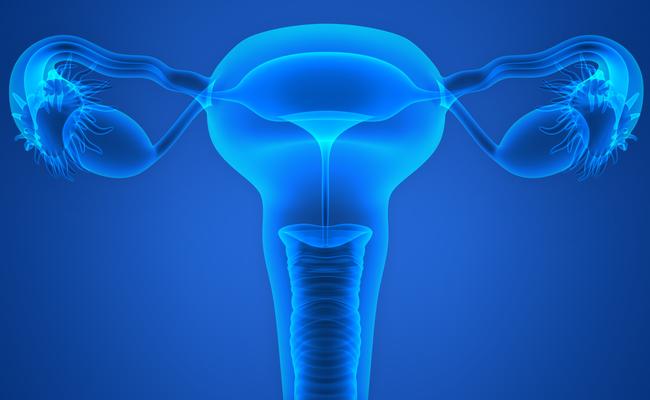
UFI is an irreversible form of female infertility that affects as many as 5% of women worldwide. A woman with UFI cannot carry a pregnancy either because she was born without a uterus, has had the uterus surgically removed, or has a uterus that does not function. Uterine transplant is a highly experimental procedure that offers women with UFI their only chance to carry a pregnancy. However, a uterine transplant is not for everyone and your physician may recommend other forms of treatment including use of a gestational carrier (surrogate) or adoption before deciding a uterus transplant is right for you. At present only 8 babies have been born to women who underwent uterine transplantation in the world.
Candidates will undergo an extensive evaluation by a team of physicians, psychologists, nurses and social workers – the evaluation is extensive since women will undergo multiple surgeries and in vitro fertilization (IVF) as part of this trial.
Following uterine transplant women cannot become pregnant without assistance. Therefore, prior to undergoing uterine transplant, embryos must be created through IVF. IVF requires stimulation of the woman’s ovaries to produce multiple eggs. This is followed by removal of the eggs and fertilization of the eggs with sperm in the IVF lab. Embryos that are created are frozen for later use.
The UNTIL trial will use a donor uterus from an unrelated deceased donor for transplantation. Deceased donors are individuals who die from accidents, medical conditions or other events, and either they or their next of kin consent to donating their organs to individuals in need. All organ transplant require the recipient take anti-rejection medications to prevent the body from attacking the transplant. Women in this study will be on anti-rejection drugs for as long as they retain the uterus.
After the transplant surgery, the physicians conducting the study will monitor the recipients carefully and frequently for one year for any complications such as infection or rejection. Once the uterus heals and is functioning, with no infections or rejection episodes that could not be treated, a single embryo is put back into the uterus.
When a pregnancy is achieved, the pregnancy is monitored closely by a team of high-risk obstetricians and the recipient will continue to take anti-rejection medications for the duration of the pregnancy. These medications may have effects on the developing baby.The baby will be delivered via C-section (about 37 weeks) or earlier if needed for the health of the mother and/or baby. To date, all of the babies born to women who have had uterine transplants have been born early (most between 35-37 weeks).
After the recipient has delivered 1 or 2 healthy babies the uterus is removed (hysterectomy) and anti-rejection medications are stopped.
How understandable was the trial content above?
Hard to understand
Easy to understand